Geography
Intent
At our school, we aim to inspire children’s curiosity and fascination about the world and its people. Through a progressive geography curriculum, children develop knowledge of places, environments and human and physical processes, whilst gaining an understanding of their role as responsible global citizens.
By the time children leave our school, they will:
· Have a secure knowledge of their local area, the United Kingdom and the wider world.
· Understand key geographical concepts, including location, place, human and physical geography, and environmental change.
· Use geographical vocabulary accurately and confidently.
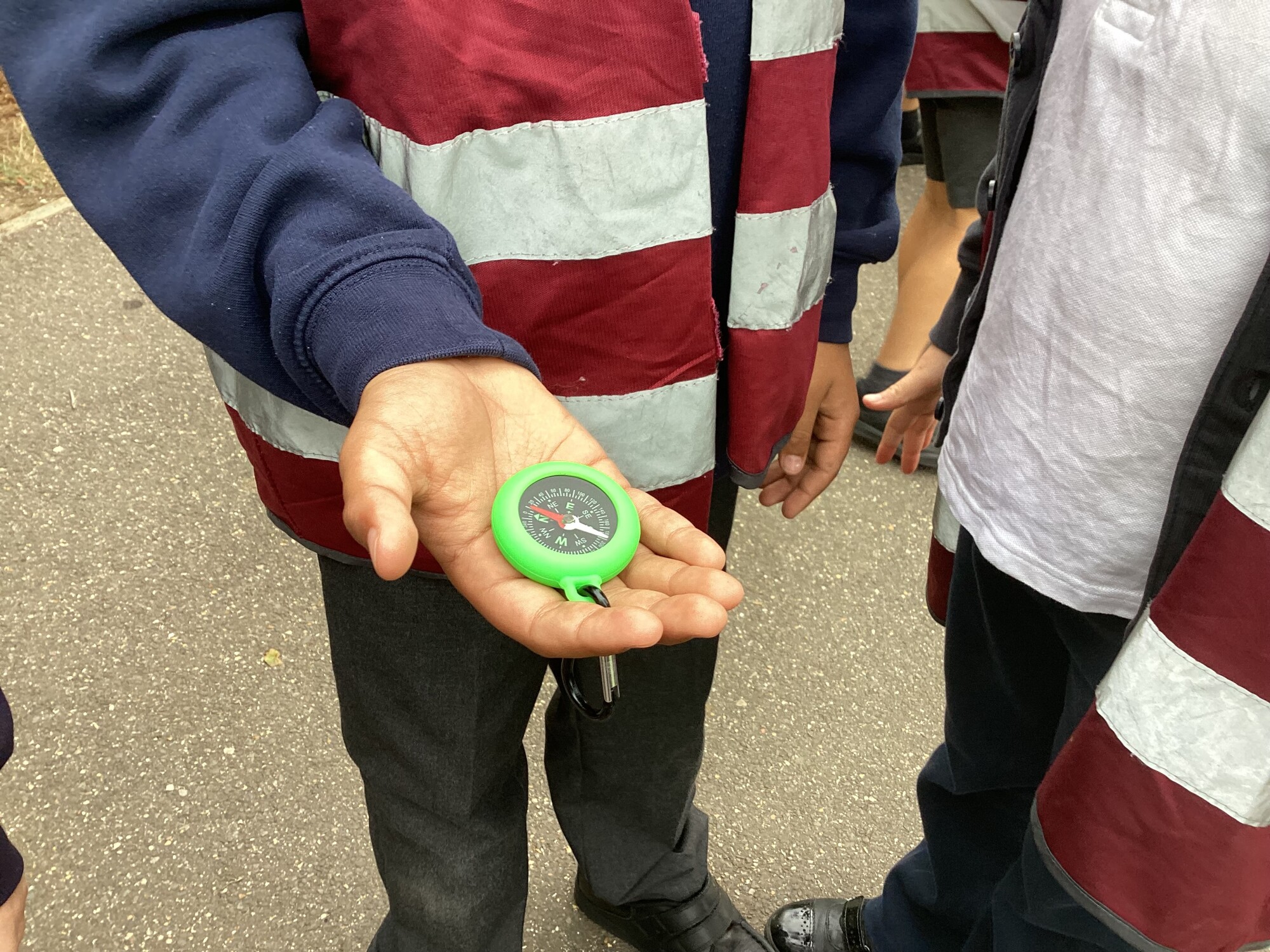
· Develop enquiry, observation and map-reading skills.
· Compare different places and environments and understand how they are connected.
· Appreciate the diversity of people, cultures and landscapes around the world.
· Develop a sense of responsibility for caring for the environment.
Implementation
Geography is taught through carefully planned units that build knowledge and skills progressively from Reception to Year 2.
We achieve this through:
· A clearly sequenced curriculum that develops geographical knowledge over time.
· Exploration of local, national and global environments.
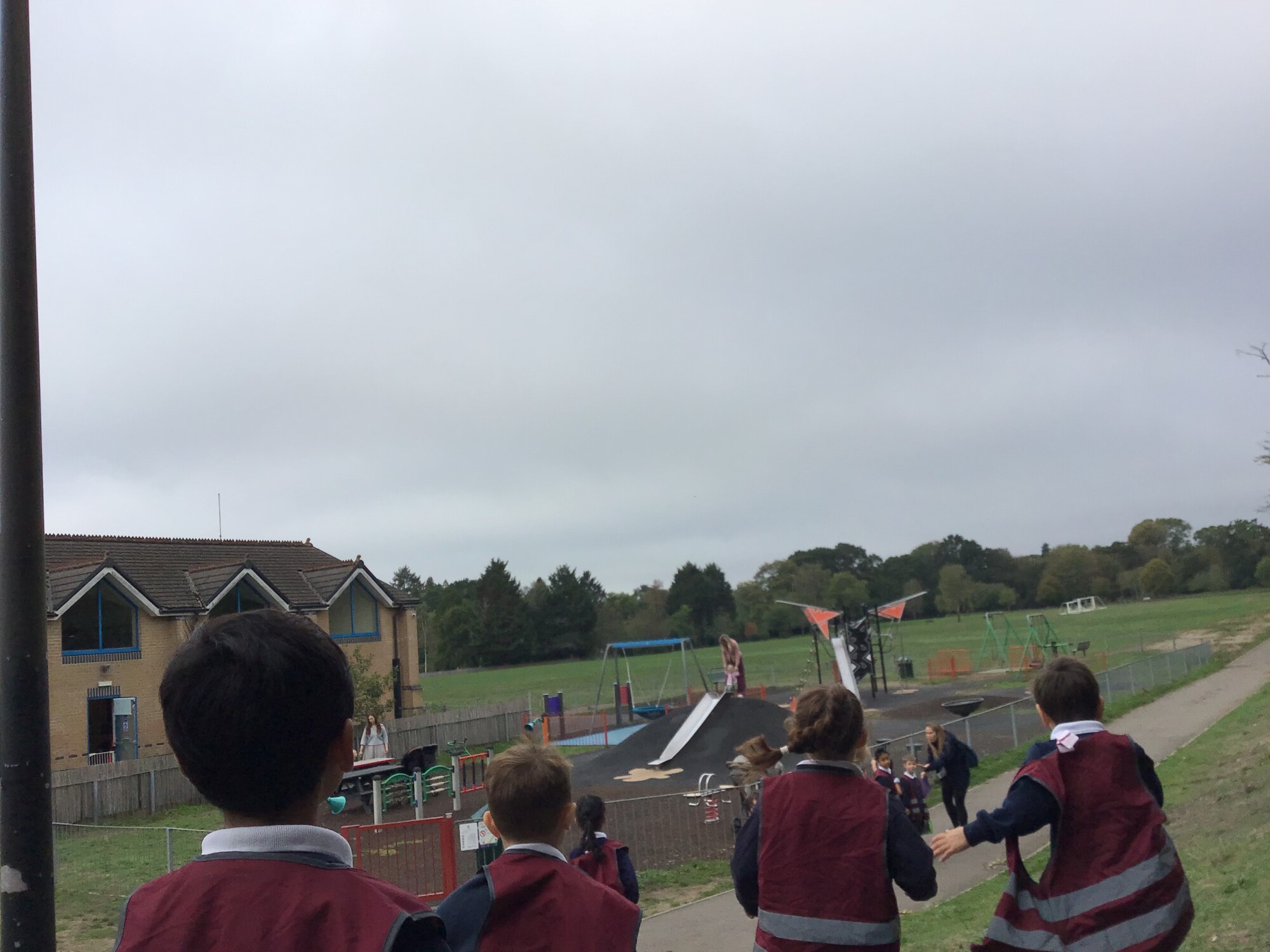
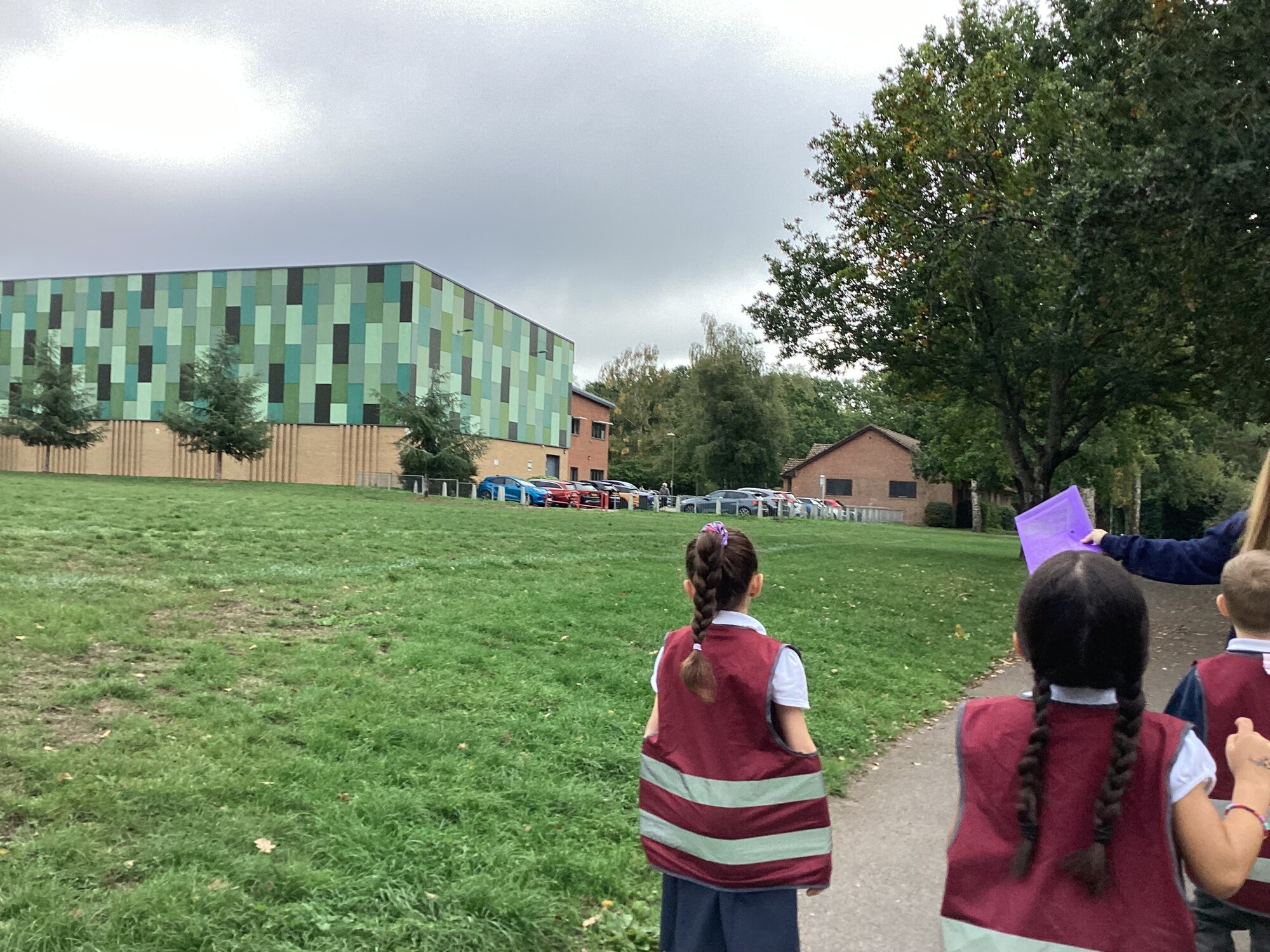
· Have opportunities for fieldwork and first-hand experiences.
· Explicit teaching and revisiting of key geographical vocabulary.
· Use of maps, atlases, aerial photographs, globes and digital technologies.
· Enquiry-based learning, encouraging children to ask questions and investigate the world around them.
· Links with other curriculum areas where appropriate.
· Adaptations and support to ensure all children can access learning successfully.
· Enrichment opportunities, including walks, visits, visitors and outdoor learning experiences.
In the Early Years, geography is introduced through Understanding the World, where children explore their immediate environment, communities and the natural world.
Impact
The impact of our geography curriculum is evident through children's growing understanding of the world, their ability to use geographical skills and their enthusiasm for learning about different places.
As a result, children will:
· Know more, remember more and understand more about the world around them.
· Use geographical vocabulary accurately when discussing places, environments and features.
· Locate places using maps, globes and simple atlases.
· Identify and describe human and physical geographical features.
· Compare different locations and explain similarities and differences.
· Demonstrate curiosity about the wider world and different cultures.
· Develop environmental awareness and an understanding of sustainability.
Evidence of impact is gathered through children's work, discussions, observations, fieldwork outcomes and assessment activities.
Key Vocabulary
Children are explicitly taught and encouraged to use geographical vocabulary accurately.
Examples include:
· Location - Where a place is.
· Map - A drawing that shows where places are.
· Human feature - Something built or created by people, such as houses, roads or bridges.
· Physical feature - A natural part of the environment, such as rivers, mountains or beaches.
· Country - A nation with its own land and government.
· Continent - A large area of land made up of many countries.
· Environment - The natural and human-made surroundings of a place.
· Beach – A stretch of sand, pebbles, or stones next to the sea, ocean, or a lake.
· Cliff – A steep rock face, often found along a coastline.
· Coast – The area where the land meets the sea or ocean.
· Forest – A large area covered mainly with trees and wildlife.
· Hill – A raised area of land that is lower and less steep than a mountain.
· Mountain – A very high area of land that rises steeply above the surrounding land.
· Ocean - A very large body of salt water.
· Sea – A large body of salt water that is smaller than an ocean.
· River – A natural stream of water that flows across the land towards a sea, ocean, or lake.
· Soil – The top layer of the Earth's surface where plants grow.
· Valley – A low area of land between hills or mountains.
· Vegetation – Plants and trees growing in a particular area.
· Season – One of the four parts of the year (spring, summer, autumn, winter), each with different weather patterns.
· Climate - The usual weather conditions of a place.
· Weather – The condition of the atmosphere at a particular time, including sunshine, rain, wind, and temperature.
· City – A large settlement with many people, buildings, services, and transport links.
· Town – A settlement that is larger than a village but smaller than a city.
· Village – A small settlement, usually found in the countryside.
· Factory – A building where goods are made or assembled.
· Farm – An area of land used to grow crops or raise animals.
· House – A building where people live.
· Office – A place where people work, usually doing business or administrative tasks.
· Port – A place on a coast where ships load and unload people or goods.
· Harbour – A sheltered area of water where boats and ships can be kept safely.
· Shop – A place where people buy goods and services.
Vocabulary is revisited regularly to support long-term retention and understanding.
Assessment
Assessment is ongoing and informs future teaching.
Teachers assess learning through:
· Observation and discussion during lessons.
· Questioning and retrieval activities.
· Review of work in books and practical outcomes.
· Fieldwork observations and investigations.
· Knowledge checks linked to key learning objectives.
· End-of-unit reviews of geographical knowledge and skills.
Assessment information is used to identify strengths, address misconceptions and support future planning.
SEND and Inclusion
Our geography curriculum is designed to be inclusive and accessible for all learners.
We ensure this through:
· High-quality adaptive teaching.
· Visual supports, photographs, maps and practical resources.
· Pre-teaching and revisiting key vocabulary.
· Scaffolded activities and appropriate levels of challenge.
· Opportunities for collaborative learning and discussion.
· Flexible recording methods, including oral, pictorial and practical responses.
· Additional adult support where appropriate.
All children are encouraged to explore, question and understand the world around them, enabling every learner to succeed and develop confidence as young geographers.