Year R Phonics Information
Your child's reading journey - Reception Autumn Term
Welcome to the beginning of the most wonderful journey in which your child, whatever their starting point, will become a fluent, confident reader who loves books!
For many children at the start of Reception, letters look like squiggles on the page and have no connection to sounds. Learning that letters and sounds are linked – phonics – is the key to reading.
In Reception this term, we will teach children the sounds of the first set of letters in the Little Wandle Letters and Sounds Revised programme (Phase 2) so they can begin to use phonics to read.
All for the love of reading
Reading enables children to function successfully in our increasingly text-filled world. But research also tells us that:
• Reading develops children’s vocabulary, understanding of the world and empathy.
• A love of reading is the biggest indicator of future academic success!
Little Wandle Letters and Sounds Revised teaches children to read and to love reading.
What will my child be taught in school this term?
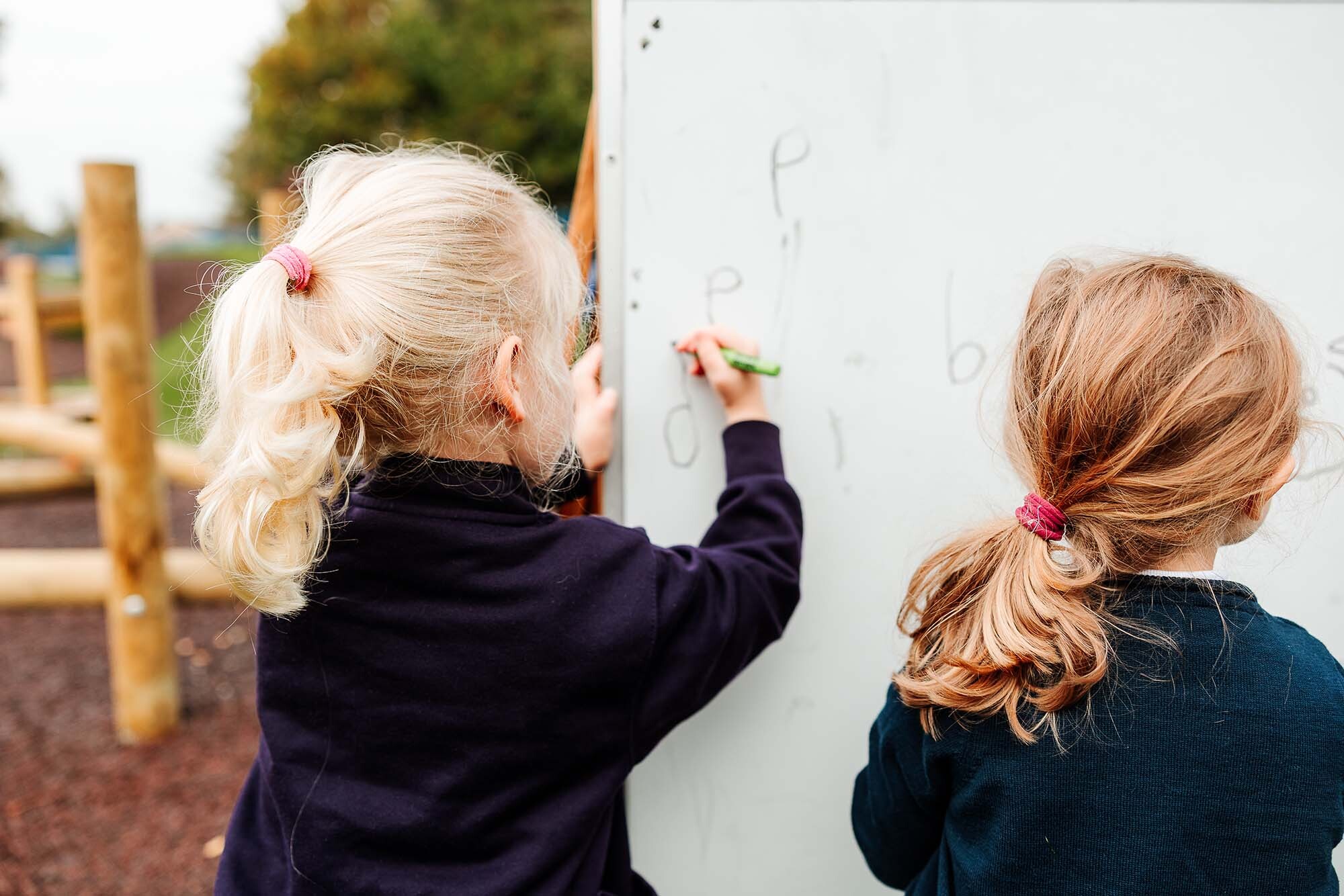
- This term, your child will be taught phonics for 10–15 minutes every day.
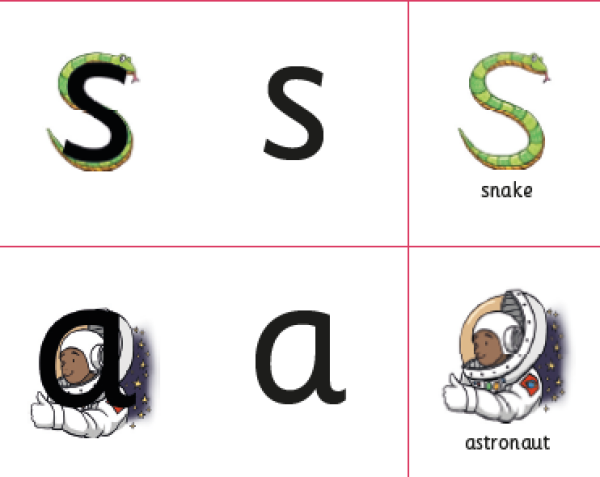
- They will learn to say and read all the single letter sounds (for example, s and m) and some consonant digraphs. A digraph is where two letters make one sound (for example qu and sh).
- We will work really hard to teach your child to blend sounds together to read words.
- They will start reading wordless books and, when they can blend sounds into words, will read Phase 2 books.
- We will provide your child with daily additional practice if they need it
How can I read a wordless book?!
- Wordless books are invaluable as they teach reading behaviours and early reading skills to children who are not yet blending.
- Talk to your child about what they can see in the pictures.
- Point to the images in the circles and find them on the page.
- Encourage your child to make links from the book to their own experiences.
What about words that can’t be read easily with phonics?
- Some common words are unusual and do not make sense with phonics until much later in your child’s reading journey, for example, ‘was’ and ‘the’.
- We call these words ‘tricky words’ and we teach these words differently. We help children to identify the bit that does make sense and the part that is tricky.
- The ‘Phase 2 tricky words’ document provides more information. You will find this in the ‘For parents’ area of the Little Wandle website.
What can I do to support my child at home?
- Ask them what sounds they have learned each day and point out objects in the environment or in books that start with that sound.
- Read to your child daily – choose books that you can enjoy together. The love of reading books we send home are a great place to start!
- Listen to them practise reading their phonics book to develop their fluency.
- Ask your child’s teacher if you need extra help with supporting your child – that’s what we’re here for!